Why I Chose Lab Grown Over Mined, After a Lifetime in a Family Diamond Business

Vinamra Gupta
Author & Jeweler
Argue all you want, but a lab grown diamond is a real diamond. Carbon, crystallized in a cubic structure, identical to mined material chemically, physically, and optically. The process grows the crystal from a diamond seed in a chamber, atom by atom, the same way nature does it under the earth, just faster and cleaner.

[Journal]
I grew up inside the diamond trade. Not next to it, inside it. My family has spent more than 35 years buying, cutting, and selling stones in Bangkok, and the Jewelry Trade Center on Silom Road has been our second home for as long as I can remember. Before I could do long division I could tell you the difference between a VS1 and a VS2 under a loupe.
So when I tell you that I moved our business to lab grown diamonds, understand what that sentence costs. This is not a tech startup founder discovering gems last year. This is someone whose family fortune, reputation, and identity were built on mined stones, telling you the future is grown in a reactor.
Here is why I did it, what I learned on the way, and why I now sell lab grown diamonds in Bangkok at factory price, directly, with no middleman between you and the stone.
The Day the Numbers Stopped Making Sense
Every trade has a moment when the old logic breaks. For me it was watching two stones side by side on a sorting pad.
One was a mined 1 carat, decent color, eye clean. The other was a CVD lab grown stone, same size, better color, better clarity. Under the loupe, the lab grown stone won. On the certificate, the lab grown stone won. On the tester, both read as diamond, because both are diamond. The only place the mined stone won was on the invoice, where it cost several times more.
I sat with that for a long time. I had been trained my whole life to explain that price gap to customers. Rarity. Romance. Tradition. And there is truth in those things. But when I asked myself the only question that matters in this trade, which stone would I put on my own wife’s hand, I could not honestly justify the difference.
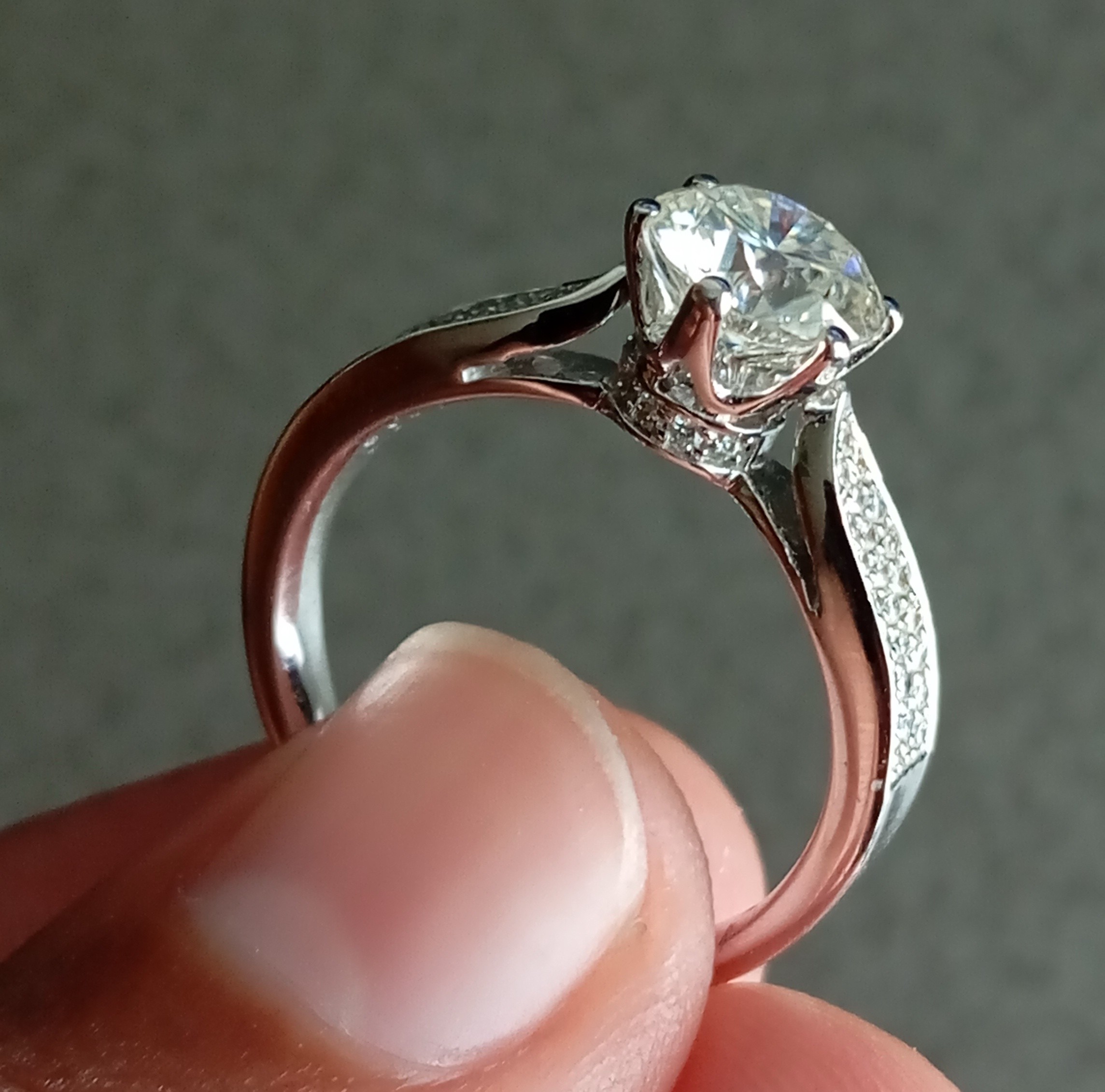
What Lab Grown Actually Means, From Someone Who Handles Them Daily
Let me clear this up the way I do at my counter, because the confusion out there is enormous and most of it is spread by people with something to sell.
A lab grown diamond is a real diamond. Carbon, crystallized in a cubic structure, identical to mined material chemically, physically, and optically. The CVD process grows the crystal from a diamond seed in a chamber, atom by atom, the same way nature does it under the earth, just faster and cleaner.
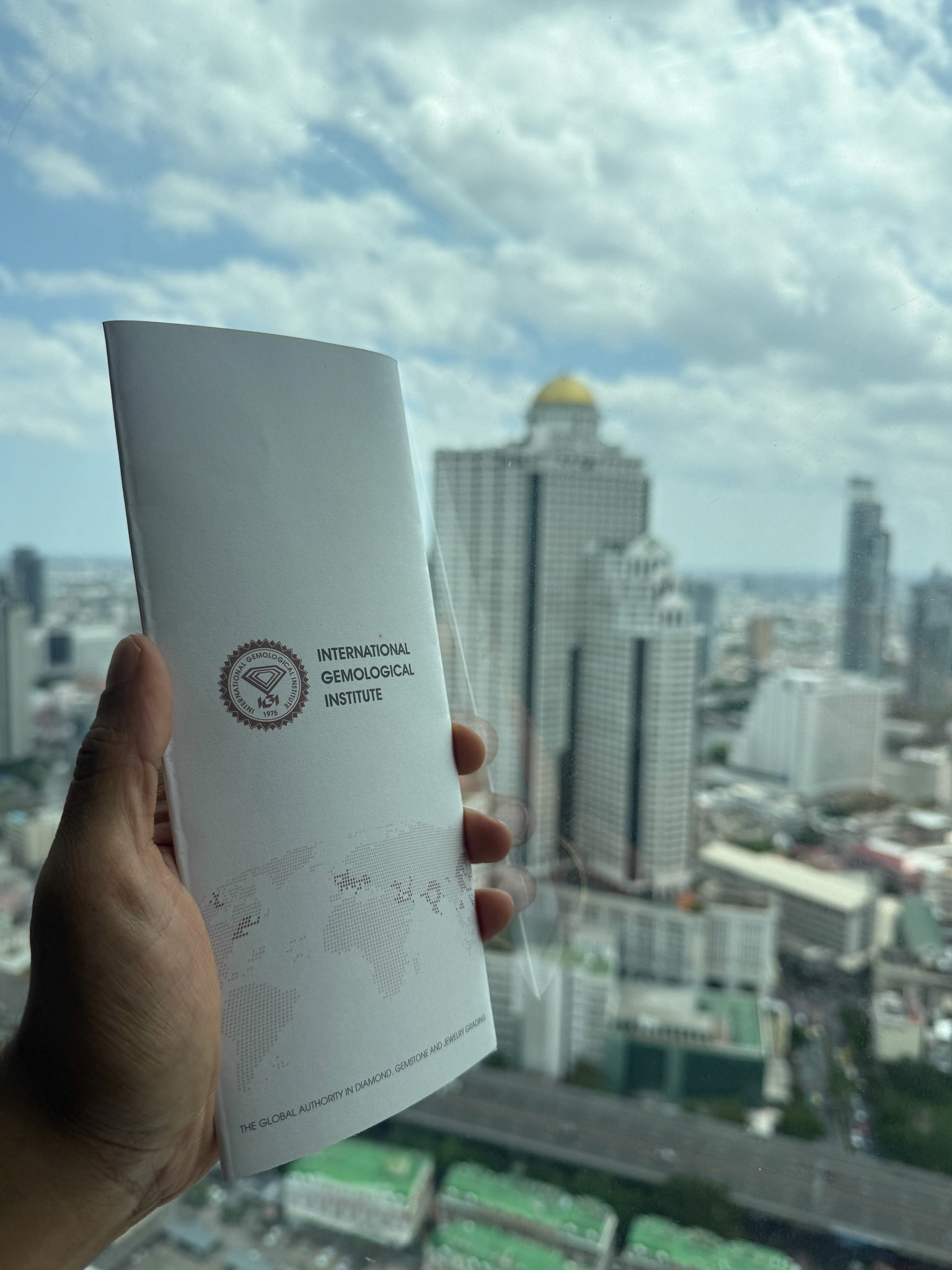
It is not moissanite. It is not cubic zirconia. It is not a simulant of any kind. Those are different materials that look somewhat like diamond. A lab grown diamond does not look like diamond. It is diamond. IGI and GIA, the same laboratories that grade mined stones, grade lab grown stones with the same 4C standards, and every stone I sell carries a certificate you can verify online before you pay me anything. If you want to go deeper on how grading works, our Education Center covers it without the sales pitch.
When a jeweler tells you lab grown diamonds are fake, you have learned something important about that jeweler. Either they do not understand their own trade, or they are protecting a margin. Neither is your problem to fund.
The Part of the Trade Nobody Shows You
Here is what a lifetime inside the business taught me that no customer ever gets to see. The price you pay for a diamond in a retail store has very little to do with the diamond.
A stone typically passes through several hands before it reaches a showroom. Producer, dealer, wholesaler, sometimes another wholesaler, then the retailer. Each hand takes a margin. Then the retailer adds the biggest markup of all, because someone has to pay for the marble floors, the mall rent, and the brand campaigns.
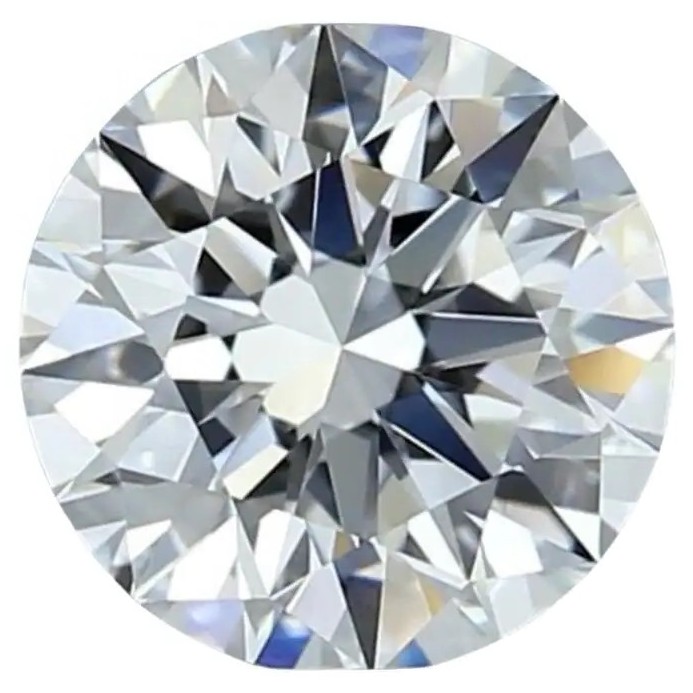
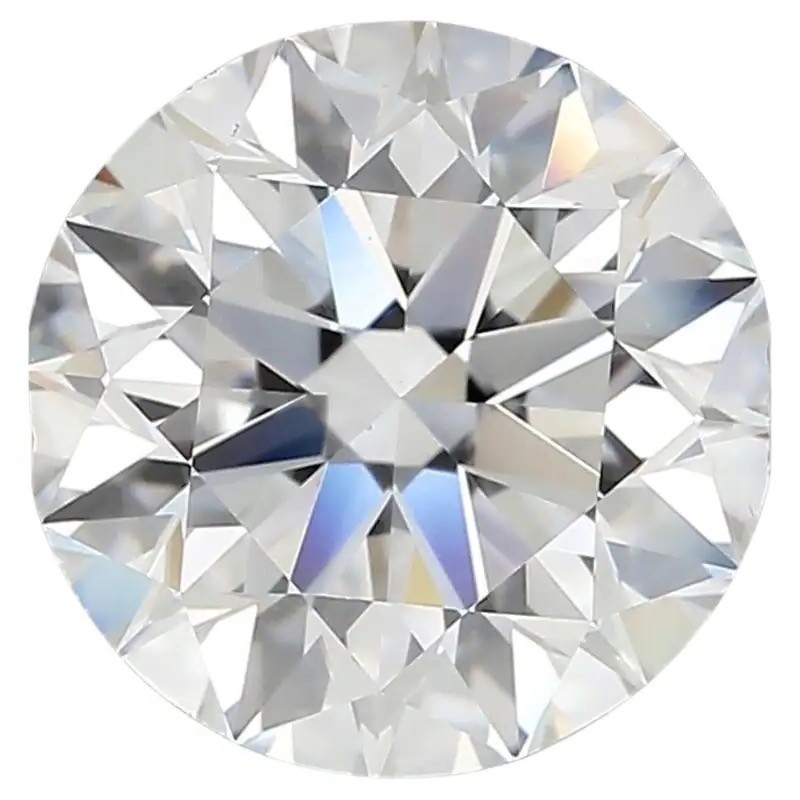
At JTC, we are the first hand. Lab Grown Dreams operates from the building where the trade actually happens, and when you buy from me you are buying at the tier that retailers buy at. That is what factory price means, and it is not a discount. Discounts are marketing. Factory price is structure. I did not lower the price. I removed the people who were raising it. I broke the whole chain down in detail in my guide to factory price custom jewelry at JTC if you want the full picture.
Combine the two shifts, lab grown material and no middleman, and the numbers change so dramatically that people sometimes think something must be wrong. Nothing is wrong. This is simply what a diamond costs when nobody is inflating it.

What My Family Said
I will be honest, this was not a smooth conversation at home. When your family has spent three decades building relationships in the mined trade, walking into the room and saying the future is grown is not a small thing.
But the older generation in this business respects one thing above everything else: the stone in front of you. Quality is the religion of this trade. And when the lab grown material started beating mined material on every measurable standard at a fraction of the price, the argument settled itself. My family did not raise me to sell stories. They raised me to sell stones I can stand behind.
Thirty five years of reputation in this building is not something I would gamble on a trend. I moved because the quality convinced me, and because I would rather lead this change in Bangkok than be the last one explaining old markups to customers who have already read the science. The whole industry is quietly making the same move, which I wrote about in why custom jewelry is moving toward lab grown stones.
Why Bangkok Is Quietly Becoming a Lab Grown Capital
Most people know Bangkok as a colored stone city. Rubies, sapphires, the cutting trade. We cut lab grown color here too, from emeralds to rubies and sapphires, but that is another article. What is less known is how fast this city is becoming one of the best places on earth to buy lab grown diamonds.
Everything the trade needs is already here. World class cutting and polishing talent. Certification offices. A manufacturing ecosystem inside and around JTC that can turn a loose stone into a finished custom piece in days. And now, deep access to top tier CVD material.
For buyers, this is the arbitrage of the decade. The same certified stone that sits in a Western showroom at full retail is available here, at the source, for a fraction of the price. Tourists have flown to Bangkok for tailored suits for fifty years. I think the next fifty belong to the stone in the box, not just the suit in the bag.
How I Sell, and Why It Is Different
Because I came up inside the trade, I sell the way dealers sell to each other, not the way showrooms sell to the public. That means:
The certificate comes first. Before we talk beauty, we talk paper. Every stone has an IGI or GIA report and I encourage you to verify the number online yourself, on your own phone, before any money moves. In this trade, a seller who hesitates when you ask to verify is telling you everything.
One price, every buyer. There is no tourist price, no farang price, no walk-in price. The number I quote a wholesale buyer from London is the number I quote a couple from Sathorn. คนไทยและชาวต่างชาติ ราคาเดียวกัน
You see the actual stone. In person under a daylight lamp and loupe, or on a live video call if you are ordering remotely. Never stock footage. The stone on your screen is the stone in your box.
Custom is included, not upsold. Most of my customers do not want a loose stone, they want a ring. CAD design, a 3D render you approve before casting, and a finished piece in 7 to 14 days, all made here. You can start a custom jewelry order with nothing more than a photo. Fast track is available for tourists with limited days in Bangkok.
I tell you when not to buy. Some days the right answer is a smaller stone with better color, or waiting for a specific cut to come in. A one-time sale is worth less to me than being the person Bangkok trusts on lab grown diamonds for the next thirty years. I am playing the long game, the same one my family has played since before I was born.
The Question I Get Every Week
“Will lab grown diamonds hold their value?”
Fair question, and I answer it more honestly than most. Diamonds, mined or grown, are not investments, and any jeweler who sells them as investments is misleading you. The mined stone bought at retail loses most of its paper value the moment it leaves the store, because you paid three layers of markup that no resale market will ever return to you.
What lab grown changes is the size of that gap. When you pay factory price for a certified stone, you are starting from the honest number, not the inflated one. You spend a fraction of the money, you get an identical or better stone, and the difference stays in your pocket where it can actually grow.
Buy the diamond for what a diamond is for. The moment, the person, the piece you will look at for decades. Buy it at the real price. That is the whole philosophy, and it is why I do what I do. I went deeper on this in are lab grown gemstones worth buying, where I take apart the investment myths one by one.
Come Verify Everything I Just Said
The best part of selling from JTC is that I do not need you to believe an article. I need you to show up, or message me, and check.
Bring your skepticism. Bring a stone you were quoted elsewhere and let us compare certificates and prices side by side. Ask me anything about the CVD process, the grading, the trade. I grew up answering harder questions from harder buyers than you will ever ask. When gemological institutes come to us to teach their students about lab grown material, they ask the hard questions too. We like it that way.
Find Lab Grown Dreams at the Jewelry Trade Center, 919 Silom Road, Bangkok, or start the conversation on WhatsApp. First meeting is free, the coffee is decent, and the prices are the ones the trade pays. Full details are on our contact page.
Frequently Asked Questions
Are lab grown diamonds real diamonds? Yes. Lab grown diamonds are chemically, physically, and optically identical to mined diamonds. They are graded by IGI and GIA using the same 4C standards, and every certificate can be independently verified online.
Where can I buy lab grown diamonds at factory price in Bangkok? At the Jewelry Trade Center on Silom Road, where Bangkok’s diamond trade operates. Buying from a dealer inside JTC means paying the trade price rather than a retail price with multiple markups. Lab Grown Dreams sells certified CVD diamonds and finished custom jewelry directly from the building.
How much cheaper are lab grown diamonds than mined diamonds in Bangkok? A certified lab grown diamond typically costs a fraction of an equivalent mined stone, and buying at factory price at JTC removes the retail markup on top of that. Our CVD price list for Bangkok shows current numbers. The combined saving is usually the difference between a good stone and a spectacular one at the same budget.
Can I verify a diamond certificate before buying? Yes, and you should. IGI and GIA reports can be checked on the laboratories’ official websites using the report number. Verify before paying, with any seller, anywhere.
Do lab grown diamonds test as real diamonds? Yes. Standard diamond testers read lab grown stones as diamond because they are diamond. Only advanced laboratory equipment can distinguish growth origin, which is why certification matters.
Can tourists buy lab grown diamonds in Bangkok safely? Yes, by following two rules. Buy from an established dealer with a fixed location in a recognized trade building like JTC, and insist on an IGI or GIA certificate you verify yourself online. Avoid street touts, gem sale scams, and any seller who resists independent verification.